


TREATMENT PHILOSOPHY
NEURODIVERSITY
At Spark Homestead, our clinical philosophy rests on a fundamental understanding of neurodevelopment: true, lasting transformation cannot be enforced through external pressure or rigid reward systems.
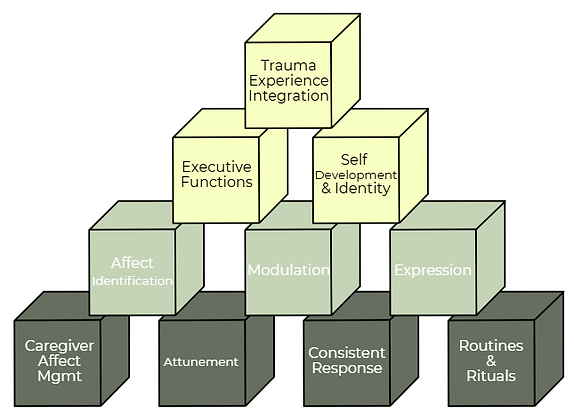
We think therapy for neurodivergent teens should be atypical - would you expect anything less? Spark therapy is built upon the Attachment, Regulation, Competency (ARC) framework, designed for youth and their families who have experienced prolonged or traumatic stress. Therapists attune to the underlying dysregulation in your child, begin to build a healthy attachment with them, and then coach all caregivers in the system to do the same. Through this important attunement and attachment, co-regulation with coaches and parents leads to increasing self-regulation on the part of your child, then the skills gained from therapy are more likely to be internalized and used across the variety of life settings - even when times get tough.
When neurodivergent youth experience chronic stress, anxiety, or burnout, their nervous system locks into survival-based protection mode. Traditional behavior modification programs often focus solely on stopping surface-level behaviors. We focus on healing the underlying dysregulation driving those behaviors.
Our clinical model creates an environment of felt safety, allowing students to transition out of self-protection and into connection mode—the state where emotional regulation, self-awareness, and relational healing become possible.
SHIFTING FROM PROTECTION MODE TO CONNECTION MODE
PHYSIOLOGICAL
SAFETY
Lowering sensory demands and establishing calm, predictable environments so the nervous system can settle.
EMOTIONAL
SAFETY
Replacing high-pressure demands with low-demand check-ins and an attuned, consistent staff presence.
RELATIONAL
SAFETY
Rebuilding trust so students feel secure enough to engage deeply in therapy, academics, and personal growth.
CORE PILLARS OF OUR THERAPEUTIC METHOD
ARC TRAUMA-INFORMED FRAMEWORK
We ground our care in the ARC (Attachment, Regulation, and Competency) framework. Staff study principles from The Anatomy of Peace to maintain a calm, attuned presence, using Dialectical Behavior Therapy (DBT) tools and predictable rituals to anchor students through distress.
MILIEU-BASED THERAPY & IN THE MOMENT COACHING
Healing does not wait for a weekly office hour. Treatment unfolds in the "driver's seat" of daily life. Through milieu-based therapy, therapists and staff provide in-the-moment coaching right when emotional spikes or social friction occur, helping students translate therapeutic concepts into lived habits.


INTEGRATED INDIVIDUAL, FAMILY & GROUP THERAPY
Individual Therapy:
-
Weekly sessions build self-awareness and emotional skills that students immediately practice throughout the campus community.
Family System Work:
-
Weekly 90-minute family sessions combine dedicated parent coaching with joint family therapy, ensuring parents and youth build shared tools together.
Specialized Group Work:
-
Students participate in targeted therapy groups—including Integrated Academic & Adventure Group, Homesteading Therapy Group, and Home Culture & Processing Group—to practice communication, executive functioning, and real-time conflict resolution.
FOSTERING INTRINSIC MOTIVATION: THE TLC MODEL
THINK
Pausing to reflect on moments of frustration, identify room for growth, and recognize personal effort.
CONTRIBUTE
Recognizing one's value by stepping up to support peers, care for the environment, and build community.
LEARN
Actively practicing a new coping skill, executive functioning tool, or communication strategy.
THE TLC MODEL
We build resilience through meaningful responsibility using our Think, Learn, Contribute (TLC) framework—a trauma-informed approach focused on self-regulation and internal motivation. TLC is not a traditional level or points-based program. It is designed to support safety, connection, and empowerment, focusing on growth rather than compliance and self-regulation rather than punishment—helping students develop the internal motivation and confidence needed for life beyond Homestead.

.jpg)

